
Treating Menopause Anxiety: Why It Arrives Now and What Actually Helps
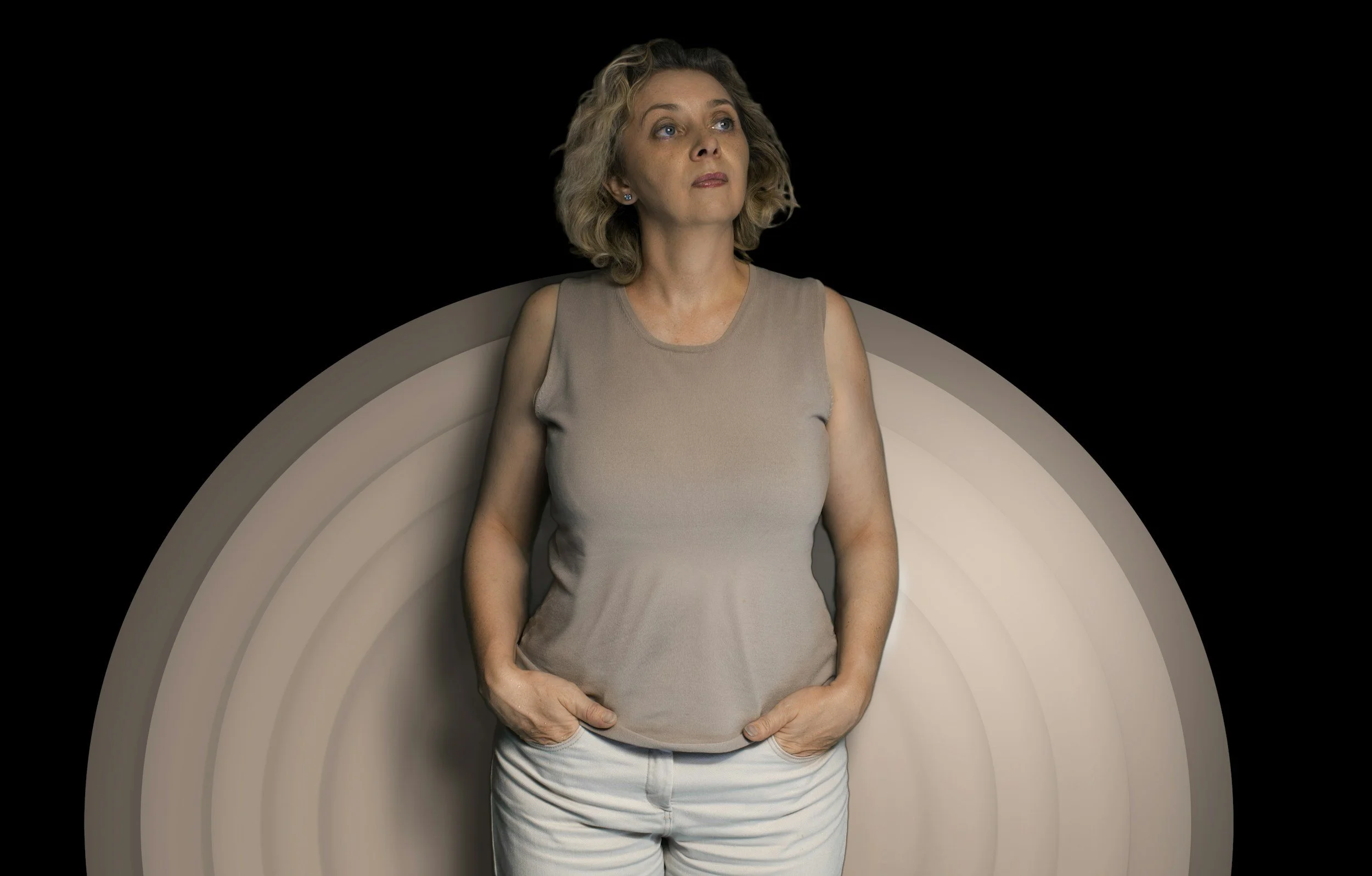
Menopause anxiety is caused by fluctuating and declining estrogen and progesterone, which disrupt the brain chemicals that regulate calm and stress response. It often appears for the first time in a woman's life during perimenopause, commonly shows up as 3am waking with a racing heart, and responds to several different treatment approaches, from hormone therapy to acupuncture, available at our Overland Park clinic serving the greater Kansas City metro area.
Why Anxiety Shows Up in Perimenopause Even If You Have Never Had It
A woman with no history of anxiety, no family history, and no obvious life stressor suddenly finds herself lying awake at 3am with her heart pounding, certain something is wrong even when nothing is. This catches people off guard precisely because it does not fit the pattern anxiety is supposed to follow.
Progesterone has a calming effect on the nervous system, partly through its influence on GABA, the brain's primary calming neurotransmitter. Estrogen affects serotonin production and regulation. During perimenopause, both hormones fluctuate unpredictably before declining, and that instability, not just the eventual decline, is what tends to trigger anxiety that was not there before. This is why anxiety often arrives in the perimenopausal years rather than waiting for menopause itself, and why it can feel so disorienting: the nervous system is responding to a real physiological shift, not a character change.
What Menopause Anxiety Actually Feels Like
It rarely looks like textbook anxiety. Instead, it tends to show up as:
Heart palpitations that arrive with no clear trigger, often mistaken for a cardiac issue before hormones are considered
Waking at 3am with a racing heart and a sense of dread that does not match anything actually happening
A short fuse or sudden rage that feels disproportionate to whatever set it off
A heavy, low sense of dread on waking, before the day has given any reason for it
None of this means something is wrong with a woman's mind. It means her hormonal environment has changed enough to alter how her nervous system interprets ordinary moments.
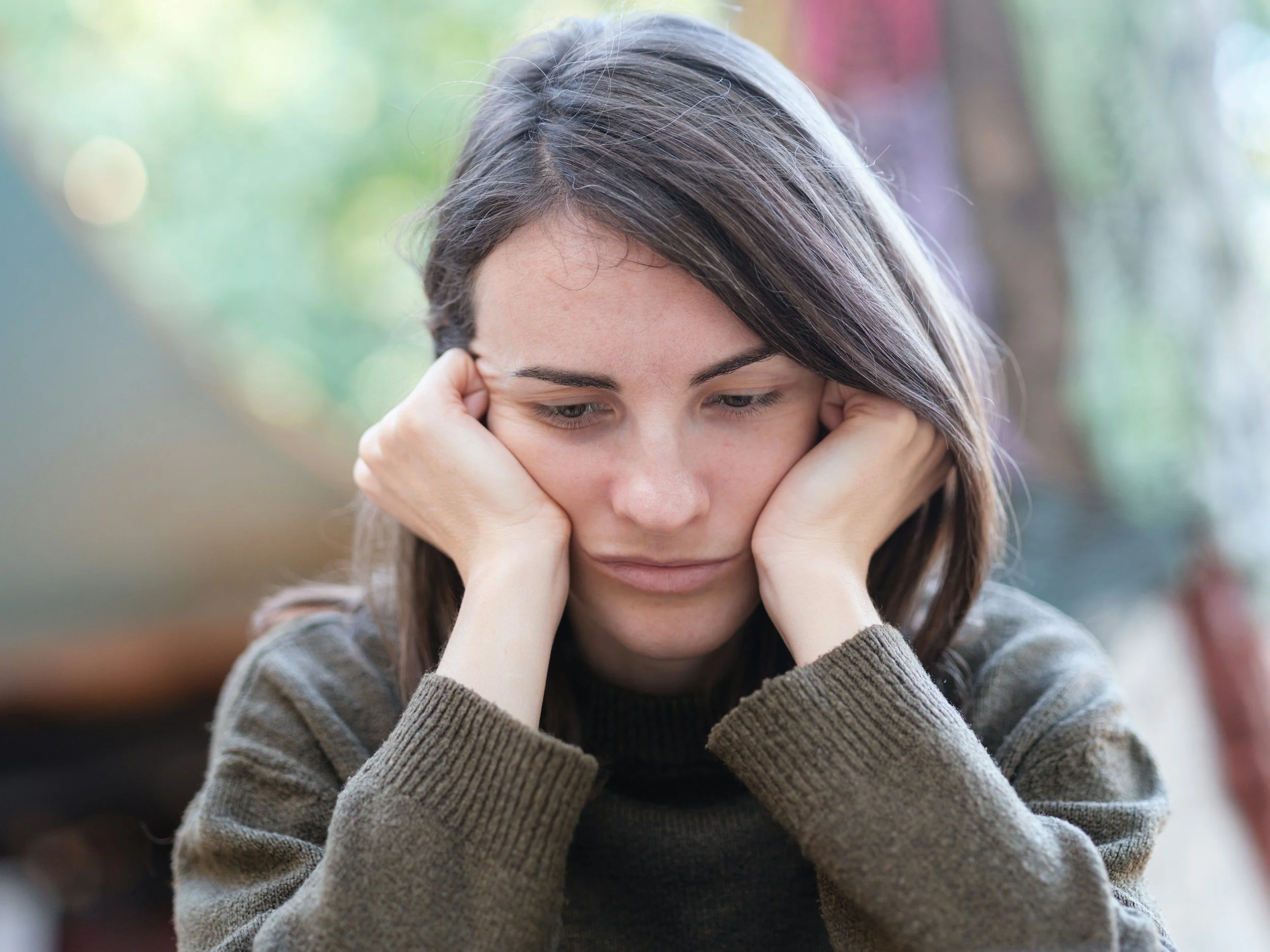
Is It Anxiety or Is It Hormones, and Does the Distinction Matter
The distinction matters less than it seems, and more than it seems, depending on what is being decided. Clinically, the anxiety is real anxiety. It activates the same stress response, and it deserves the same seriousness as anxiety with any other cause. What differs is the driver, and the driver determines which treatments are most likely to help quickly.
Anxiety that tracks closely with the menstrual cycle's disappearance, with hot flashes, with night sweats, and with the general perimenopausal timeline is more likely to respond to treatments that address the hormonal root, such as hormone therapy or acupuncture aimed at hormonal regulation. Anxiety that predates perimenopause, or that continues unchanged after hormone levels stabilize, may need to be treated as its own condition rather than a symptom of transition.
The Treatment Options, Honestly Compared
There is no single right answer here, and any article that pretends there is one is not being straight with you.
Hormone Therapy
Hormone therapy directly addresses the estrogen and progesterone fluctuations behind the anxiety, and it can improve mood alongside hot flashes and sleep. It requires a physician's evaluation, is not appropriate for everyone, and carries its own risk and benefit profile that should be discussed with a doctor rather than decided from a blog post.
SSRIs and What They Do and Do Not Address
Selective serotonin reuptake inhibitors can meaningfully reduce anxiety symptoms, and for some women they are the right choice, particularly when anxiety is severe or accompanied by depression. What they do not do is address the underlying hormonal fluctuation driving the anxiety. They manage the downstream chemistry rather than the upstream cause, which is not a criticism, simply a distinction worth understanding before starting one.
CBT and Mindfulness
Cognitive behavioral therapy and mindfulness-based approaches give women tools to change how they respond to anxious thoughts and physical sensations, and mindfulness-based approaches in particular may help with anxiety during the menopause transition. These approaches take time and practice to build, and they work well alongside other treatments rather than only as a stand-alone option.
Acupuncture and Chinese Medicine
Acupuncture is used to support the nervous system's regulation and to address the hormonal instability at the root of perimenopausal anxiety, rather than only managing symptoms after they appear. It does not carry the side effect profile of medication, and it can be used alongside hormone therapy, SSRIs, or CBT rather than instead of them if a woman's care team recommends a combined approach.
How Acupuncture Is Used for Menopause Anxiety
Acupuncture points are selected to calm an overactive stress response and to support the body's hormonal regulation during the menopause transition. In Traditional Chinese Medicine terms, this pattern is often associated with Liver Qi stagnation affecting emotional regulation, alongside a decline in Kidney Yin that leaves the nervous system without enough of a calming, grounding influence. Treatment is built around restoring both.
The 3am waking often eases before the daytime irritability does, since sleep architecture tends to shift first. A full course of acupuncture, delivered in 60-minute sessions, gives the nervous system repeated signals to downregulate rather than relying on a single visit to undo a pattern that built up over months.
Curious whether acupuncture fits into your anxiety picture? Book a menopause anxiety consultation to talk through your specific symptoms and what a combined treatment approach could look like.

What to Expect Over a Course of Treatment
Acupuncture for menopause anxiety is not a quick fix, and any provider who promises one is overselling it. Noticeable shifts in the frequency of 3am waking or the intensity of daytime irritability typically take several weeks of consistent sessions. Sleep quality tends to be one of the earlier changes, since it responds directly to the nervous system regulation acupuncture targets, with mood and rage episodes generally following as the hormonal picture stabilizes further. For more on the sleep side of this transition specifically, see why perimenopause disrupts sleep.
When to Speak to Your Physician First
Acupuncture is not a substitute for psychiatric care when psychiatric care is what is needed. A physician or psychiatrist should be the first call if anxiety includes panic attacks that are escalating in frequency, thoughts of self-harm, an inability to function at work or in relationships, or anxiety that started well before perimenopause and does not track with any hormonal pattern. Acupuncture can be part of a plan in any of these situations, but it should not be the only piece, and it should not delay a medical evaluation when one is warranted.
Acupuncture is also used more broadly for acupuncture for anxiety and stress outside the menopause context. If your anxiety is not specifically tied to the menopause transition, our article on how acupuncture helps with anxiety and stress in Overland Park may be a better starting point than this one.
FAQ
-
Fluctuating and declining estrogen and progesterone disrupt the brain chemicals that regulate calm and stress response, including GABA and serotonin, which is why anxiety can appear even in women with no prior history of it.
-
Yes. It is one of the more common and least talked about symptoms of perimenopause, though the intensity and specific symptoms vary widely from woman to woman.
-
Anxiety often eases once hormone levels stabilize after menopause, though ongoing treatment, whether hormonal, therapeutic, or acupuncture-based, continues to help some women through and beyond the transition.
-
It varies. For some, it eases within months of starting treatment, while for others it persists through the full transition. A consistent treatment approach tends to produce steadier results than addressing it only when symptoms spike.
-
Yes, often. The combination of naturally lower nighttime cortisol and the day's cumulative hormonal fluctuation tends to make 3am waking with a racing heart one of the more common patterns described.
-
Palpitations linked to hormonal fluctuation are generally not dangerous, but any new heart palpitations should be evaluated by a physician first to rule out a cardiac cause before assuming a hormonal one.
-
There is no single fix, but a combination approach, whether hormone therapy, SSRIs, CBT, acupuncture, or some mix suited to your specific pattern, tends to work better than any single approach alone.
-
Yes. The same hormonal instability that drives anxiety can also lower the threshold for irritability and sudden anger, since both are tied to the same disrupted stress response system.
Menopause anxiety deserves real treatment options, not a single prescription handed over without discussion. Our Overland Park clinic offers acupuncture through perimenopause as part of a broader approach to the anxiety, mood, and sleep changes that come with this transition. Schedule a consultation to talk through which combination of approaches fits your specific symptoms.