
Acupuncture for Menopause Joint Pain
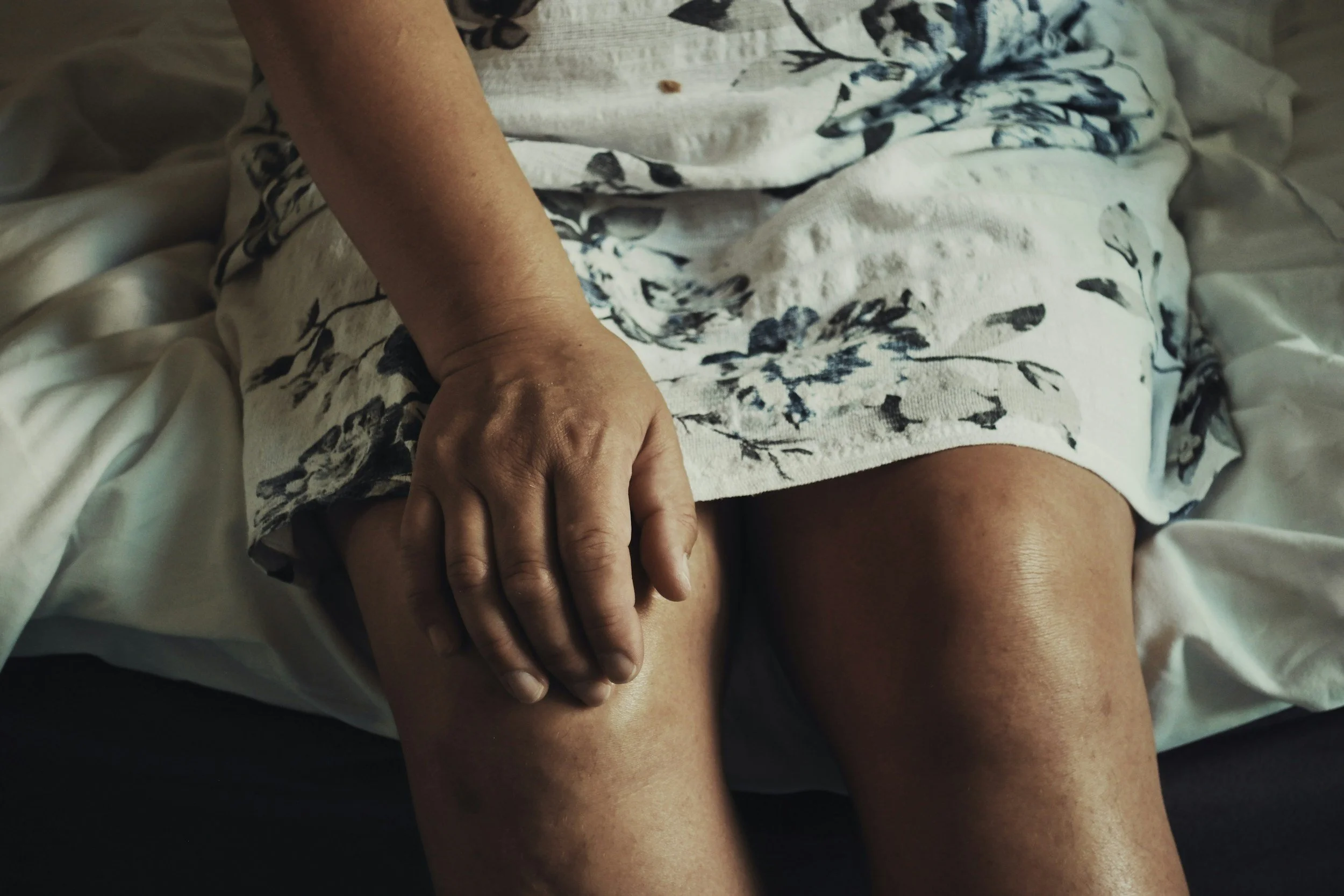
Menopause joint pain is caused by falling estrogen, which reduces the body's natural anti-inflammatory response and lowers the fluid and collagen that cushion joints. It typically shows up first in the hands, hips, knees, and feet, feels worse in the morning, and is different from arthritis, though the two are often confused.
Common natural approaches include:
Acupuncture, to support circulation and ease the inflammatory load in affected joints
Anti-inflammatory eating patterns, including regular omega-3 intake
Consistent, gentle movement, such as walking or swimming
Chinese herbal formulas, used alongside acupuncture during the menopause transition
Why Joints Start Aching in Perimenopause, and Why It Seems to Arrive Overnight
Most women do not connect stiff hands or aching hips to hormones. There is no obvious injury, no new workout, and no warning from a doctor that this was coming. One week the joints work fine, and the next, getting out of bed involves a slow, careful uncurling of fingers that will not close.
The overnight feeling is real, but the cause is not sudden. Estrogen receptors are present in joint tissue, cartilage, and the synovial membrane that lines each joint and produces the fluid that lubricates it. As estrogen drops through perimenopause, that tissue loses some of its natural anti-inflammatory protection, cartilage retains less water, and the fluid around joints thins. The decline itself is gradual, but the symptom often crosses a threshold quickly, so it can feel like it appeared with no notice. This is one of the more common and least discussed menopause symptoms, and it is a direct answer to a genuine question many women ask their search bar before they ask their doctor: what causes menopause joint pain.
Menopause Joint Pain or Arthritis, How to Tell the Difference
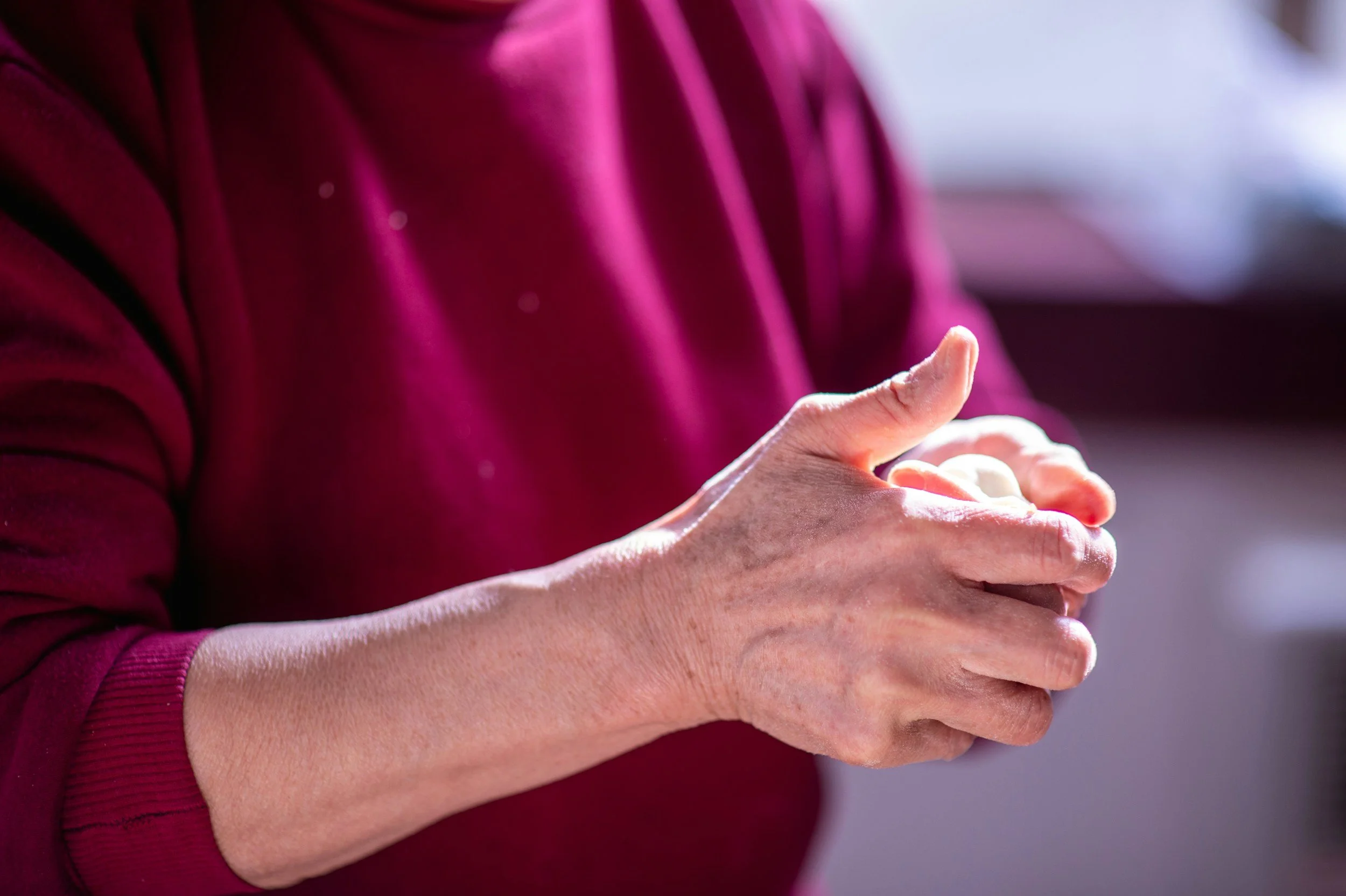
This is the question worth answering honestly, because getting it wrong in either direction has a cost. Treating rheumatoid arthritis as a hormone symptom delays real treatment. Treating a hormone symptom as arthritis leads to unnecessary worry and sometimes unnecessary medication.
Menopause-related joint pain tends to move between joints rather than settling in one place, and it typically affects the hands, hips, knees, and feet without the joint becoming visibly swollen or hot. Rheumatoid arthritis, by contrast, usually causes visible swelling that matches on both sides of the body, warmth in the joint itself, and morning stiffness that lasts longer than an hour rather than easing not long after getting up and moving.
A few signs are worth taking seriously enough to see a physician before scheduling acupuncture:
Symmetrical swelling in the same joints on both sides of the body
Morning stiffness that consistently lasts more than an hour
A joint that is warm or hot to the touch, not just achy
Fatigue or low-grade fever alongside the joint symptoms
None of these rule out menopause as a contributing factor, since hormone changes and autoimmune conditions can occur at the same time. They simply mean bloodwork should come first. For a fuller picture of what rheumatoid arthritis looks like and how it is treated, see our article on acupuncture for rheumatoid arthritis.
Why the Pain Is Worse in the Morning and at Night
Joint fluid moves with activity. Overnight, while the body is still, fluid around the joints settles and inflammation-related compounds are less diluted, which is why the first movements of the morning are often the stiffest part of the day. Evening pain has a different driver. Cortisol, which has some anti-inflammatory effect, is naturally lowest at night, and estrogen's own anti-inflammatory support is already reduced, so the body has less to work with right when the day's cumulative use of the joints is highest.
This pattern, worse on waking and worse again by evening, is one of the more consistent features of hormonally driven joint pain, and it is also one of the clearest signals that the cause is hormonal rather than mechanical.
What Acupuncture Does for Menopause Joint Pain
Acupuncture will not replace estrogen, and it should not be sold as though it does. What it does is address two things that make menopause joint pain worse: circulation to the affected joints and the body's inflammatory load. Needling around the affected joints and along related meridian points increases local blood flow, which helps deliver nutrients to joint tissue and clear some of the inflammatory buildup that accumulates overnight. Better sleep is also a commonly reported benefit of acupuncture care, which matters here since hormone changes disrupt sleep and poor sleep on its own increases next-day pain sensitivity.
In Traditional Chinese Medicine terms, this pattern is generally associated with a decline in Kidney and Liver function, since Kidney essence is understood to nourish bone and marrow while Liver blood nourishes the tendons and sinews that support joint movement. Acupuncture points are chosen to support these systems specifically, rather than treating the joint as an isolated symptom disconnected from the rest of the transition.
A course of acupuncture is not a single visit. A series of sessions, each 60 minutes, is generally needed before a meaningful change in morning stiffness or grip becomes noticeable. This is a cumulative treatment, not an immediate one, which is worth knowing before starting so expectations match reality.
Ready to find out whether acupuncture fits your symptoms? Book a menopause acupuncture consultation to talk through what a treatment plan looks like for your specific pattern of joint pain.
Where It Shows Up Most: Hands, Hips, Knees, and Feet
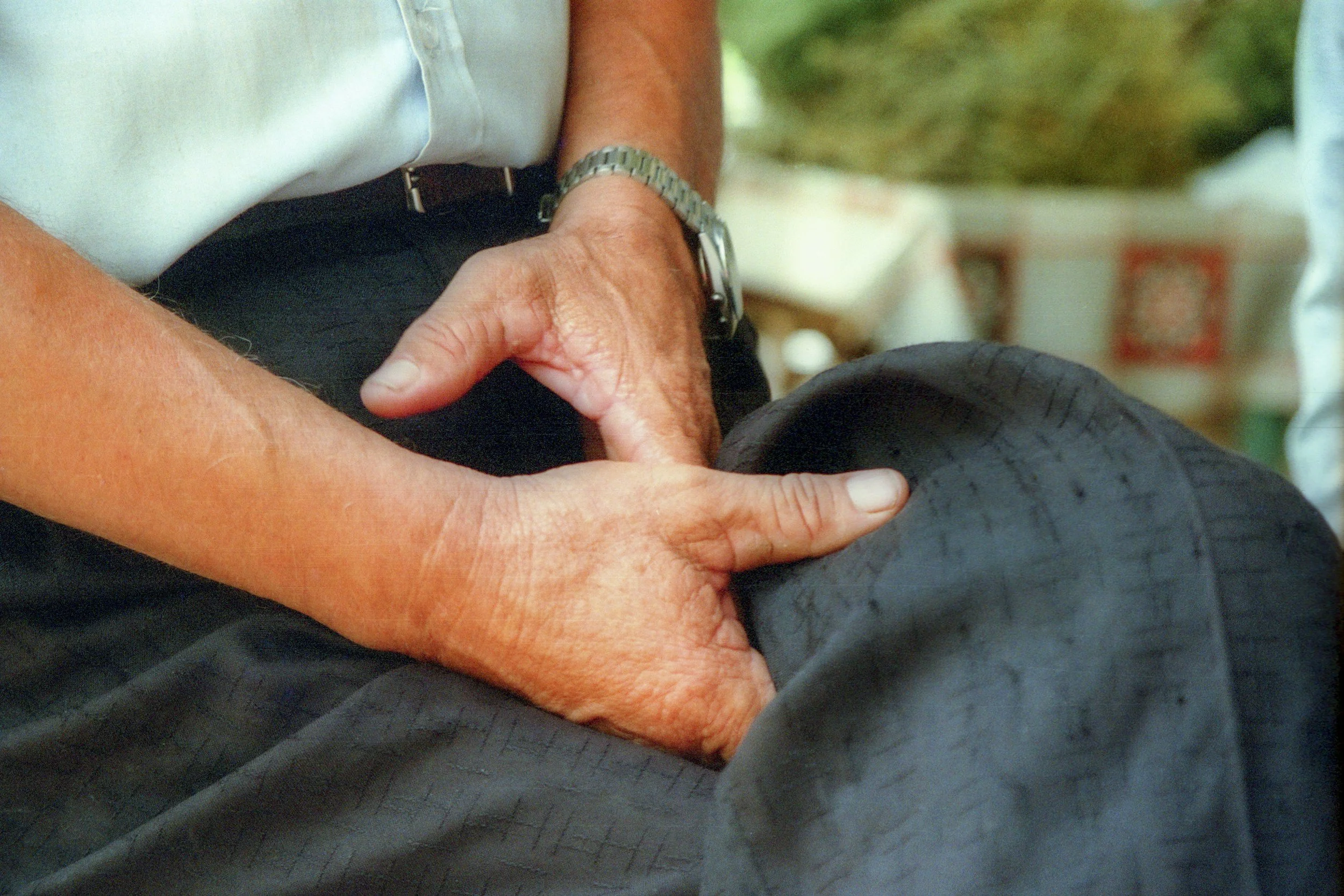
The hands are often the first place women notice it, because grip strength loss is impossible to ignore. Struggling to open a jar, hold a coffee cup, or close a fist all the way is a specific, concrete symptom, and it is usually what finally sends someone searching for answers rather than shrugging the pain off as a bad night's sleep.
Hip pain tends to show up as stiffness getting up from a chair or a car seat, and it is often worse after sitting for a long stretch. Knee pain tends to worsen with stairs, and foot pain is frequently dismissed as simply "old shoes" before anyone connects it to hormones at all. All four locations share the same underlying mechanism: less estrogen, less joint lubrication, more inflammation with less to counteract it.
Natural Remedies for Menopause Joint Pain: What to Try Alongside Acupuncture
Acupuncture works best as one part of a broader approach, not the only piece.
Gentle, consistent movement. Joints that move regularly stay better lubricated than joints that rest. Walking, swimming, and stretching all help more than complete rest does.
Anti-inflammatory eating patterns. Reducing processed sugar and increasing omega-3-rich foods supports the same inflammatory pathways acupuncture targets.
Sleep protection. Since joint pain and disrupted sleep feed each other, addressing sleep quality often improves pain independently.
Chinese herbal formulas. Certain herbal formulations are traditionally used alongside acupuncture to support the menopause transition more broadly. Read more in our guide to Chinese herbal formulas for menopause.
For pain that extends beyond joints into general aches, our acupuncture for chronic pain page covers the broader approach in more detail.
When to Get Bloodwork Instead
If the red flags above apply, bloodwork should come before or alongside acupuncture, not instead of it. A physician can order tests that check for rheumatoid factor and inflammatory markers, which will clarify whether an autoimmune process is present. Naming this clearly is not a reason to avoid treatment. It is the difference between treating the right condition and guessing.
FAQ
-
Falling estrogen reduces the body's natural anti-inflammatory response and decreases the fluid and collagen that lubricate and cushion joints, which leads to stiffness and aching, most often in the hands, hips, knees, and feet.
-
Menopause joint pain is usually migratory and not accompanied by visible swelling or warmth, while rheumatoid arthritis typically causes symmetrical swelling, joint warmth, and morning stiffness lasting more than an hour. Bloodwork is the reliable way to tell them apart.
-
For many women, joint pain eases once hormone levels stabilize after menopause, though the timeline varies. Ongoing care, including acupuncture, movement, and anti-inflammatory habits, tends to shorten the period of significant discomfort.
-
It varies widely. Some women notice improvement within months of starting treatment and lifestyle changes, while for others it persists through the full menopause transition. A consistent treatment course tends to produce more predictable results than sporadic effort.
-
Estrogen supports joint lubrication and helps regulate inflammation. As estrogen declines, joints lose some of that support, which allows inflammation and stiffness to increase.
-
Yes. The hands are one of the most commonly affected areas, often showing up first as reduced grip strength and stiffness first thing in the morning.
-
Not typically. It tends to improve as hormone levels stabilize, and treatment can meaningfully reduce symptoms in the meantime rather than requiring women to simply wait it out.
-
Many women notice pain increasing in the evening as the day's cumulative joint use combines with naturally lower nighttime cortisol, in addition to the well-known morning stiffness.
-
It is generally described as a stiff, achy sensation rather than sharp pain, often most noticeable in the fingers, hips, and knees, and most pronounced right after waking or after long periods of sitting.
If joint pain has become a daily presence rather than an occasional ache, a treatment plan built around your specific symptoms is worth exploring. Our menopause acupuncture in Overland Park program is built around exactly this kind of transition. Schedule a consultation to start building a plan that fits your body's actual pattern of symptoms.