
Acupuncture for Migraines and Tension Headaches in Overland Park
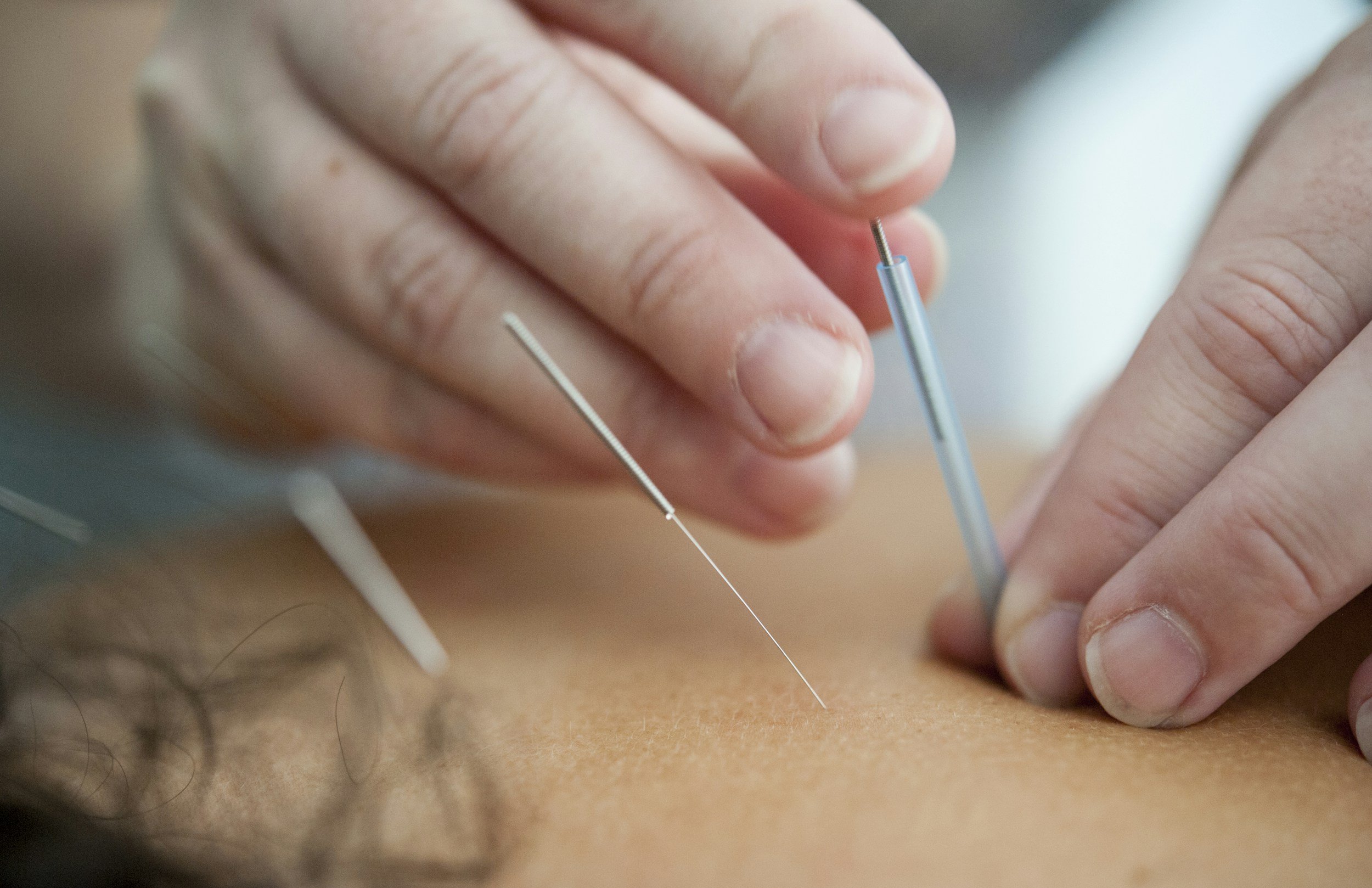
Yes, for many people acupuncture reduces how often migraines strike. The key word is prevention. Acupuncture is not a rescue remedy for an attack already in full swing; it works over a course of sessions to make migraines less frequent and less intense. Research, including a 2024 systematic review, found that a course of roughly 7 to 16 sessions cut migraine frequency, and major clinical guidelines list acupuncture as an option for migraine prevention.
If you are in Overland Park searching for migraine help "near me" because the medication route has not been enough, or its side effects are their own problem, here is how acupuncture prevents migraines, how it differs from treating a tension headache, and what a realistic course looks like.
The quick version:
Acupuncture is preventive: it lowers attack frequency over a course, rather than stopping a single migraine in the moment.
A typical preventive course runs several weeks of regular sessions, often in the range of 7 to 16 visits.
Guidelines support acupuncture for migraine prevention, and it carries none of the side effects of daily preventive medication.
Hormonal and perimenopausal migraines are a common, treatable pattern we see.
Migraine vs tension headache: how to tell them apart
Treating a headache well starts with naming it correctly, because migraines and tension headaches respond to different plans.
| Migraine | Tension headache | |
|---|---|---|
| Pain quality | Throbbing or pulsing, often one side | Dull, tight, like a band around the head |
| Intensity | Moderate to severe, often disabling | Mild to moderate |
| Other symptoms | Nausea, sensitivity to light and sound, sometimes aura | Few; sometimes scalp or neck tightness |
| Common triggers | Hormones, skipped meals, sleep changes, stress | Stress, posture, jaw clenching |
If your headaches sit mostly in a tight neck and shoulders, they may be cervicogenic rather than migraine, which we cover in our guide on neck pain and the tension headaches it triggers.
How acupuncture prevents migraines, not just treats them

A migraine brain is, in simple terms, more excitable and quicker to tip into an attack. Acupuncture appears to work on that underlying tendency: it influences the nervous system's pain processing, supports steadier blood-vessel regulation, and lowers the background stress load that primes the system to fire. The result, across a course of treatment, is a higher threshold before a migraine starts, which shows up as fewer attacks and often milder ones.
In Traditional Chinese Medicine, migraines are not treated as one condition. The practitioner identifies the pattern driving yours, whether that is a stress-and-tension picture (often read as Liver Yang rising, which itself usually sits on a deeper Yin or Blood deficiency, the root that hormonal and perimenopausal migraines so often share), or a digestion-linked one, because that pattern shapes which points are used and how often you come in. This is full-body acupuncture guided by that diagnosis, not the single-spot needling of dry needling. In practice that means many of the points sit on the hands, feet, and lower legs rather than the aching head, and it is why a course matters more than any single visit: prevention is built session by session.
What the guidelines say about acupuncture for migraine prevention
This is worth stating plainly. Acupuncture is recommended as an option for preventing migraine in major clinical headache guidelines, particularly for people who cannot tolerate or would rather avoid daily preventive medication. Systematic reviews have found that acupuncture can cut migraine frequency by a meaningful amount, in some analyses by half for a sizable share of patients, with benefits that outlast the treatment course. The honest framing is not "miracle cure" but "evidence-backed prevention with an excellent safety profile."
Hormonal and perimenopausal migraines
For many women, migraines track with hormones: they cluster around the menstrual cycle, and they often shift or worsen during perimenopause as estrogen levels swing. This is one of the most common and most under-addressed patterns we see in women in their 40s and 50s across Overland Park.
Acupuncture is a strong fit here precisely because it works at the level of regulation rather than just blocking pain. By supporting more stable hormonal and nervous-system balance, a preventive course can take the sharpest edges off hormonally driven migraines without adding another medication to the mix.
A typical preventive course of sessions
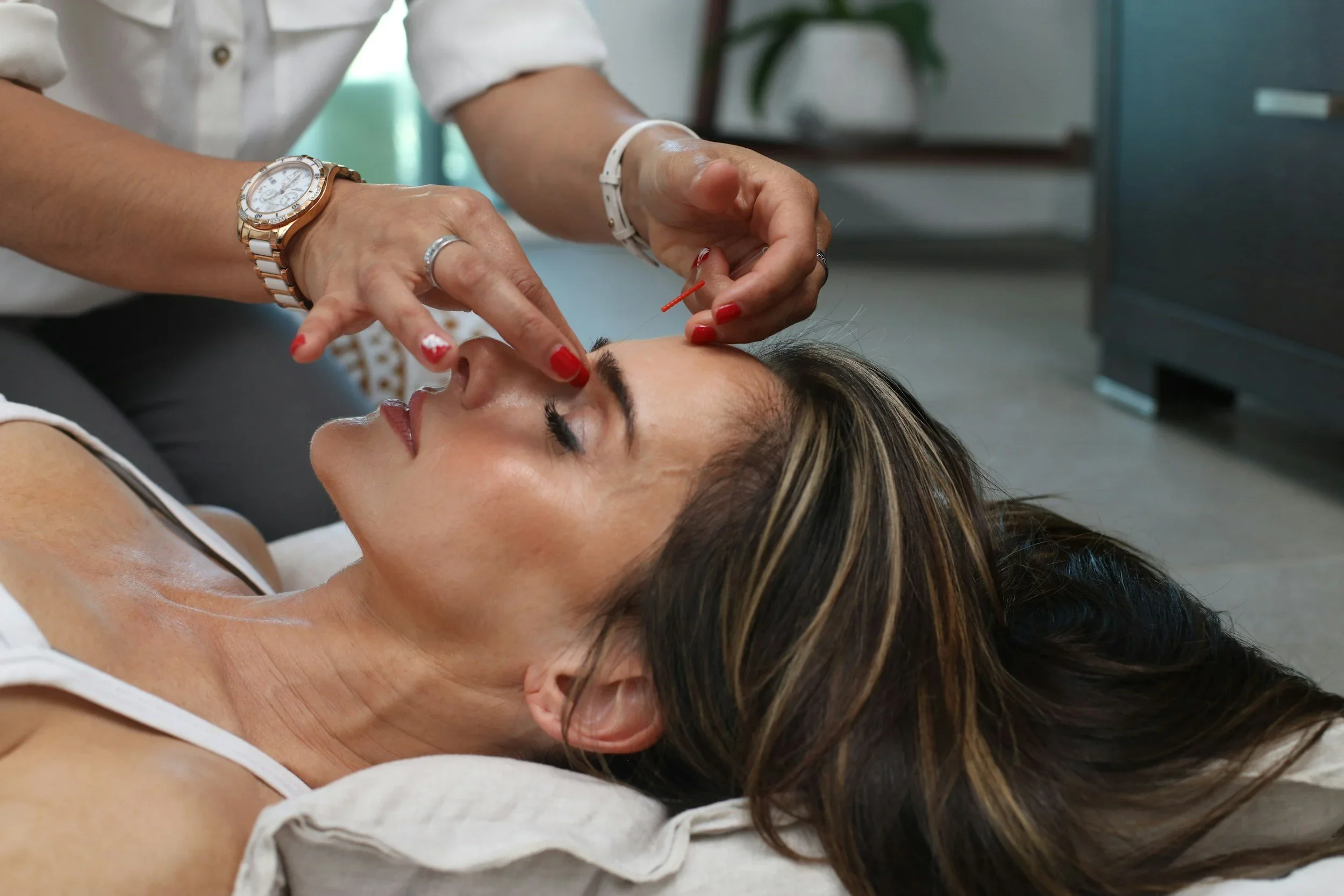
Prevention is a course, not a one-off. Most people start at once or twice weekly, then space visits out as attacks become less frequent. The research pointing to a 7-to-16-session range is a reasonable expectation: enough visits to retrain the threshold, not an open-ended commitment. We reassess at the end of that initial course rather than booking you in indefinitely; if your migraines are not responding, that is a reason to change the plan, not to keep selling sessions. Current per-session pricing is listed on our online booking page. After the initial course, many patients move to occasional maintenance visits, especially around known trigger times such as a stressful season or a hormonal window.
A safety note: a sudden, severe "worst headache of your life," a headache after a head injury, or one with fever, confusion, weakness, or vision loss is a medical emergency, not a case for acupuncture. See a physician immediately.
Migraine relief in Overland Park
At Grace Family Acupuncture on West 98th Terrace in Overland Park, migraine and headache care is provided by Dr. Yang Gong, DTCM, L.Ac., and Dr. Jing Gong, DAOM, L.Ac., a fifth-generation, board-certified acupuncturist. Visits are a full 60 minutes, drug-free, and built around the pattern driving your headaches, for patients across Overland Park and nearby Olathe and Lenexa. You can see our broader acupuncture for pain relief approach for the conditions we treat.
What patients here tell us they value is the format itself: a full 60-minute, one-on-one visit with a doctor who knows your headache pattern, rather than the short, high-volume sessions that genuine prevention rarely fits into.
Here is what happens next:
Book your consultation online through our secure scheduling system.
Complete a 60-minute first visit with a full health history and a Traditional Chinese Medicine assessment of your headache pattern.
Receive a personalized preventive plan with a realistic number of sessions.
Begin treatment, with the plan adjusted as your attacks become less frequent.
Book your consultation online and start working on prevention, not just the next attack.
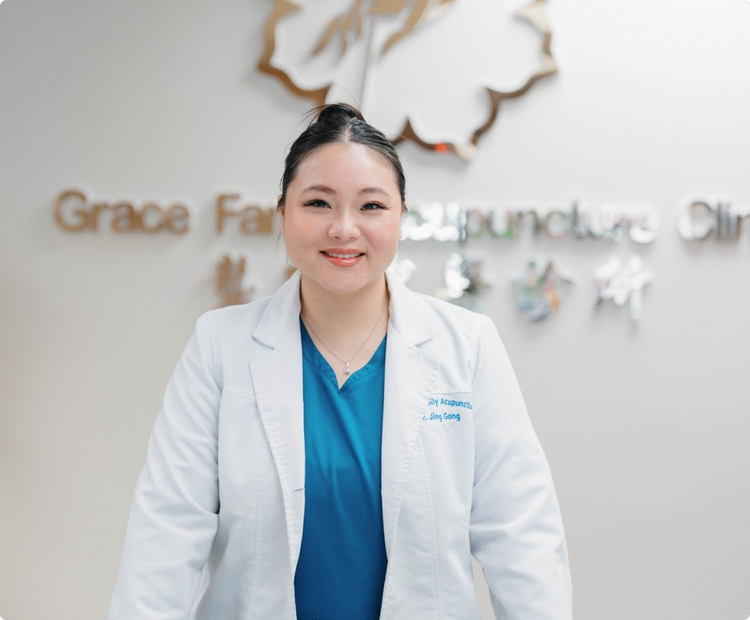
Dr. Jing Gong, DAOM, L.Ac., Dipl. O.M. (NCBAHM),
is the Managing Director and Principal Clinician of the practice. Born into a five-generation family of esteemed Traditional Chinese Medicine (TCM) practitioners, she seamlessly blends her rich ancestral lineage with her Doctorate in Acupuncture & Oriental Medicine. Dr. Gong's integrative approach combines ancient Chinese medical wisdom, modern Western knowledge, and energy medicine to identify the root causes of imbalance. Having treated thousands of patients, she provides precise, holistic care for the body, mind, and spirit, ensuring every visit is deeply restorative and empowering.