
Acupuncture for Fertility Support in Overland Park, KS
Grace Family Acupuncture supports women and couples navigating fertility challenges with Traditional Chinese Medicine, working alongside your reproductive care team, not instead of it.
Who this is for: Women with irregular cycles, PCOS, diminished ovarian reserve, or recurrent miscarriage. Couples preparing for or currently undergoing IVF. Anyone who wants integrative care that addresses the whole picture, not just lab results.
What patients experience at our clinic: Cycle regulation, improved uterine lining, reduced stress load during IVF protocols, and pattern-based care that accounts for what is driving the problem, not only what the bloodwork shows.
Dr. Yang Gong has practiced Traditional Chinese Medicine for over 30 years, including clinical work in reproductive health and oncology support at the Traditional Chinese Medicine Hospital in Zhuhai. Dr. Jing Gong holds a Doctorate in Acupuncture and Oriental Medicine (DAOM) and is nationally certified through NCCAOM. Between them, they have treated more than 10,000 patients across a practice built on a five-generation family lineage of TCM practitioners. You can read more about both practitioners on our about us page.
Book a fertility consultation at our Overland Park clinic
Why Patients Choose Grace Family Over Other Kansas City Options
The Kansas City metro has reproductive endocrinologists, fertility clinics, and general wellness acupuncture practices. What is harder to find is a clinic where the practitioners have both the credential depth and the lineage-based pattern recognition to handle cases that do not respond to a generic protocol.
Bridging Tradition and Modern Fertility Science
Choosing a fertility specialist is a deeply personal decision. The practitioners at Grace Family Acupuncture bring two distinct but complementary dimensions to reproductive care.
Dr. Yang Gong laid the clinical foundation. With over 30 years of practice and formal training at Zhengzhou Zhongjing Traditional Chinese Medical College, she built the reproductive specialty from direct hospital-based clinical work in China, including complex cases at the Traditional Chinese Medicine Hospital in Zhuhai, before establishing this practice in the United States in 2002. That background informs how fertility cases are assessed and prioritized at this clinic.
Dr. Jing Gong carries that foundation into the current standard of care. Her Doctorate in Acupuncture and Oriental Medicine (DAOM) is the terminal clinical degree in this field in the United States. Nationally certified through NCCAOM, she specializes in complex and difficult-to-treat infertility presentations, including cases where prior interventions have not produced results.
Together they bring a dual-trained legacy that is uncommon in the Kansas City area: classical TCM pattern recognition developed across generations, combined with doctoral-level clinical training aligned with current reproductive medicine standards.
Whether you are preparing for a first IVF cycle or working through a diagnosis of unexplained infertility, treatment here is built around your specific pattern, not a standard fertility point protocol.
Active coordination with Kansas City-area fertility clinics. We work routinely alongside reproductive endocrinologists. We are familiar with IVF stimulation, retrieval, and transfer timing. We know which techniques are contraindicated at which phases. We ask for your protocol so our scheduling fits yours, not the other way around.
Whole-family continuity. We work with women, couples, and male partners across the full arc of reproductive health, from pre-conception preparation through pregnancy support and into care for the children who come after. You can see the full scope of what we treat on our acupuncture services page.
Fertility and Traditional Chinese Medicine: A Different Perspective
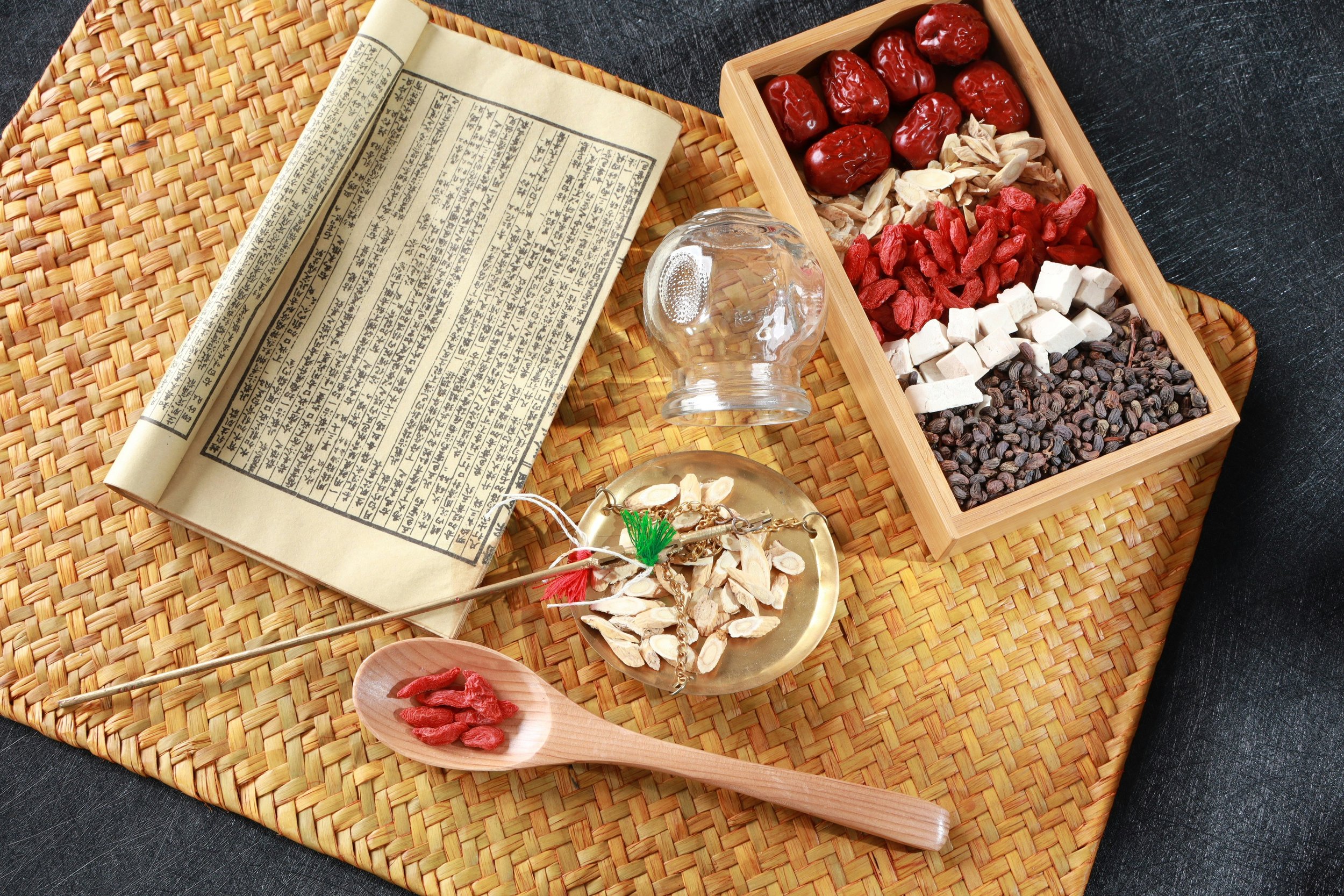
Western reproductive medicine measures fertility through hormone panels, follicle counts, sperm morphology, and uterine structure. These are necessary and useful. Traditional Chinese Medicine maps the same territory through a different lens, one that looks at patterns of imbalance rather than isolated biomarkers.
Two TCM patterns come up most often in the fertility cases we see at Grace Family Acupuncture.
Kidney Qi and Kidney Essence deficiency sit at the center of TCM reproductive theory. The Kidney system in Chinese medicine governs reproductive vitality, bone marrow, and the deep reserves of energy the body draws on for conception and pregnancy. When Kidney Qi or Essence is depleted through chronic stress, overwork, poor sleep, or age, the body does not have the foundational resources to support a healthy cycle or conception. Symptoms that often point to this pattern include irregular cycles, low basal body temperature in the follicular phase, diminished ovarian reserve on lab work, fatigue, and lower backache around menstruation.
Blood deficiency and Blood stagnation are the other major pattern groupings. Blood in TCM refers not just to circulating blood volume but to the quality and movement of nourishment throughout the reproductive system. Blood deficiency can show up as a light period, pale menstrual blood, thin uterine lining on ultrasound, or anxiety and poor sleep. Blood stagnation, where circulation is sluggish rather than absent, presents more often as clotty, dark menstrual blood, cramping, endometriosis, or fibroids.
These patterns are not diagnoses in the Western medical sense. They are frameworks for understanding why the body is struggling and where treatment should focus. A practitioner at Grace Family Acupuncture will assess your pattern through intake questions, pulse diagnosis, and tongue observation before building a treatment plan.
How Acupuncture Supports Reproductive Health
Acupuncture works through several mechanisms that are directly relevant to reproductive function. These are not theoretical. They are measurable physiological responses documented in peer-reviewed research.
Blood flow to the uterus and ovaries. Acupuncture stimulates the autonomic nervous system in ways that increase uterine artery blood flow. A thicker, well-perfused uterine lining is one of the most consistent predictors of successful embryo implantation. For women with a history of thin lining on monitoring ultrasounds, improving uterine blood flow is often the first clinical target we work toward.
HPA axis regulation and cortisol. The hypothalamic-pituitary-adrenal axis, the stress response system, directly suppresses reproductive hormone signaling when it is chronically activated. Elevated cortisol disrupts the LH surge that triggers ovulation. Acupuncture has measurable effects on HPA axis activity, and the research on this is consistent across multiple study designs. For patients going through IVF, where the process itself is a significant stressor, this matters beyond the needles.
Cycle regulation. For women with irregular cycles, PCOS, or luteal phase defects, acupuncture and TCM herbal support, covered under our additional services including herbal medicine, can shift cycle patterns toward greater regularity over a series of months. This is not a fast process. Reproductive cycles respond to treatment over weeks, not days. The pattern of change is often visible in BBT charting within the first two to three cycles.
Sperm parameters. Fertility is not exclusively a woman's health concern. Acupuncture has been studied for its effects on sperm motility, morphology, and DNA fragmentation. We work with male partners as part of fertility cases when indicated.
Acupuncture and IVF: What the Research Shows
The most-cited research on acupuncture and IVF comes from a series of randomized controlled trials and meta-analyses published over the past two decades. The picture is encouraging but nuanced. Being straight with you about what the evidence does and does not show is more useful than a marketing claim.
A 2002 German study by Paulus et al., published in Fertility and Sterility, found clinical pregnancy rates of 42.5% in the acupuncture group versus 26.3% in the control group when acupuncture was performed on the day of embryo transfer. This study prompted significant follow-up research. Subsequent meta-analyses, including a Cochrane review, have shown more modest effects, with methodological variation across studies making direct comparison difficult.
What the research does consistently show: acupuncture performed around the time of embryo transfer does not harm IVF outcomes, and several well-designed trials show a statistically significant improvement in clinical pregnancy rates compared to sham acupuncture or no acupuncture. The effect appears stronger when acupuncture is integrated across multiple weeks of the IVF cycle rather than limited to the transfer day alone.
Emerging research on acupuncture and egg quality, specifically mitochondrial function in oocytes, is early-stage but biologically plausible given acupuncture's effects on ovarian blood flow. We follow this literature and adjust our approach as the evidence develops.
If you are working with a fertility clinic in the Kansas City area, we are comfortable coordinating with your reproductive endocrinologist's protocol. We do this routinely and are familiar with the timing considerations around stimulation, retrieval, and transfer cycles.
Who Is a Good Candidate for Fertility Acupuncture?
Not everyone is an equally strong candidate, and we would rather tell you that upfront than overpromise.
You are likely a strong candidate if:
You have unexplained infertility with no structural abnormality identified
You have been diagnosed with PCOS, irregular cycles, or a luteal phase defect
You are preparing for or currently undergoing IVF and want integrative support
You have a history of recurrent miscarriage and want to address the uterine environment and stress
You have high-normal FSH or diminished ovarian reserve and want to optimize what you have
You are in the 3 to 6 month window before beginning fertility treatment and want to improve baseline health
Acupuncture is less likely to be the primary solution if:
There is a structural issue requiring surgical intervention (blocked tubes, significant uterine anomaly)
Male factor infertility is severe and requires ICSI regardless of other factors
You need results within 4 to 6 weeks. TCM works over cycles, not in days.
We will tell you honestly during your first appointment where we think we can help and where conventional medicine is the better primary path. Those are not competing options from our perspective. They work best together.
Anxiety and depression are among the conditions we treat regularly at this clinic. If stress and anxiety around the fertility process are part of what you are managing, that work often runs alongside fertility treatment. See our specialties page for the full list of conditions we address.
What to Expect During Your Fertility Acupuncture Treatment Plan
Initial appointment (60 minutes). Your first visit is longer than subsequent sessions because we need a complete picture before we place a single needle. We go through your full cycle history, any prior fertility workup results, your sleep, digestion, stress levels, and any medications or supplements you are currently taking. We assess pulse and tongue. We build a TCM pattern diagnosis and explain what we are targeting and why.
Treatment frequency. For most fertility patients, we recommend once or twice weekly acupuncture for a minimum of three menstrual cycles before assessing outcomes. This is not arbitrary. Reproductive tissue responds to treatment over the timescale of one egg's full maturation cycle, approximately 90 days. Patients who come in for two sessions before an IVF transfer and expect full benefit are working with a compressed timeline.
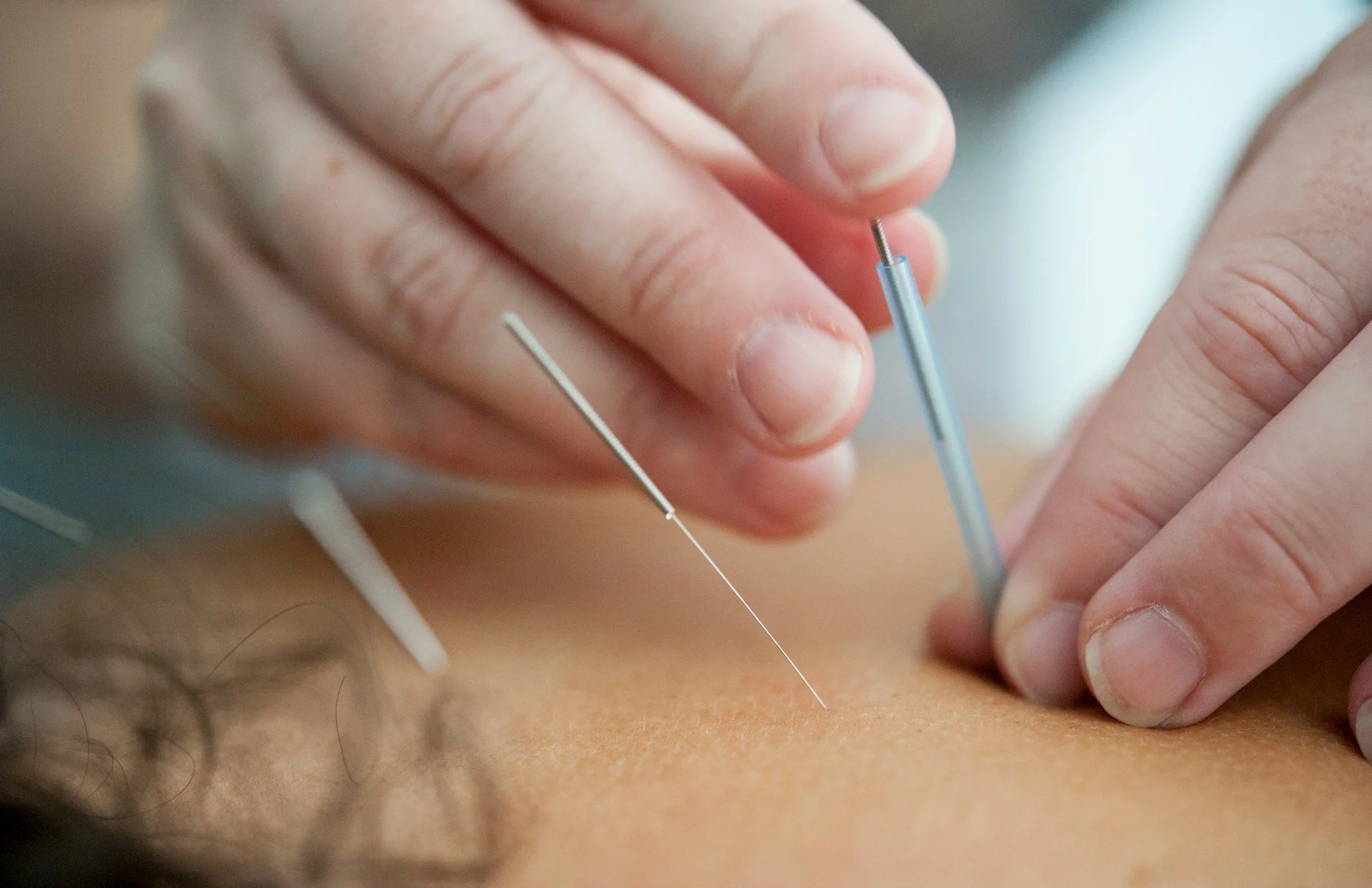
What treatment feels like. Most fertility acupuncture points are located on the lower abdomen, lower back, legs, and feet. The needles are fine-gauge and, for most patients, produce a mild sensation of pressure or warmth rather than pain. The session itself runs 25 to 35 minutes of needle retention time. Most patients describe leaving feeling calm and heavy-limbed in a way that is different from ordinary relaxation.
Cycle coordination. We time specific points and techniques to your cycle phase. Follicular, ovulatory, and luteal phases each have different treatment goals in TCM. If you are tracking BBT or using an app, that data is useful to bring to sessions.
What we do not do. We do not prescribe pharmaceutical medications or interpret fertility clinic bloodwork in a clinical capacity. We work with the pattern your body is showing us, alongside whatever information your primary reproductive care team shares with you.
Acupuncture for Fertility in Overland Park: A Direct Answer
Acupuncture for fertility uses fine-gauge needles at specific points to improve uterine blood flow, regulate the HPA stress-response axis, and support hormonal signaling across the menstrual cycle. In Traditional Chinese Medicine, reproductive challenges are most often linked to Kidney Qi deficiency, Blood deficiency, or Blood stagnation, patterns assessed through pulse diagnosis and cycle history rather than lab values alone. Published research, including a widely cited study in Fertility and Sterility by Paulus et al. (2002), has shown higher clinical pregnancy rates in IVF patients who received acupuncture around embryo transfer compared to controls. Grace Family Acupuncture in Overland Park, KS provides fertility acupuncture as an integrative complement to conventional reproductive medicine, working alongside Kansas City-area fertility clinics rather than as a replacement for reproductive endocrinology care.
Common Questions About Fertility Acupuncture
-
The research is encouraging but not definitive. The most-cited randomized controlled trial, published in Fertility and Sterility, showed clinical pregnancy rates of 42.5% in the acupuncture group versus 26.3% in controls when treatment was given on transfer day. Subsequent meta-analyses show more modest and variable effects. What is consistent across studies is that acupuncture does not harm IVF outcomes and appears to provide benefit when integrated across multiple weeks of a cycle rather than as a single-session intervention.
-
Most fertility patients benefit from once or twice weekly sessions across a minimum of three menstrual cycles, roughly three months. This aligns with the biological timeline of egg maturation. Results from two or three sessions before a transfer exist, but they represent a compressed version of what a full protocol can achieve.
-
Emerging research on ovarian blood flow and mitochondrial function in oocytes suggests a biologically plausible mechanism, but the clinical evidence is earlier-stage than IVF timing research. For women with diminished ovarian reserve, we focus on Kidney Essence support in TCM terms, general stress reduction, and uterine environment optimization rather than making direct claims about egg quality changes.
-
Yes, when performed by a licensed acupuncturist familiar with IVF protocols. We coordinate with your fertility clinic on timing and avoid certain points and techniques that are contraindicated during stimulation or early pregnancy. We ask that you share your protocol timeline so we can schedule appropriately.
-
The two most common patterns we see are Kidney Qi or Kidney Essence deficiency, which presents as irregular or light cycles, low back fatigue, and diminished ovarian reserve, and Blood deficiency or Blood stagnation, which presents as thin uterine lining, clotty or painful periods, or endometriosis. Most patients present with a combination of patterns rather than a single clean diagnosis.
-
Recurrent miscarriage has multiple potential causes, and acupuncture is not a solution for all of them. Where it can contribute: improving uterine blood flow and lining quality, regulating immune response through HPA axis modulation, and reducing the physiological stress load that compounds risk. We work with women navigating recurrent loss with particular care and coordinate with your OB or reproductive endocrinologist throughout.
-
Yes. Acupuncture has been studied for its effects on sperm motility, morphology, and DNA fragmentation. For couples where male factor infertility is a component, we recommend that partners come in as part of the treatment plan rather than treating fertility as exclusively a woman's health issue.
Book a Fertility Assessment at Our Overland Park Clinic
Fertility challenges that have persisted beyond six months rarely resolve without identifying and addressing the underlying pattern. Monitoring cycles and waiting gives you data. It does not change what is driving the irregularity, the thin lining, or the stress response suppressing your LH surge.
A structured assessment at Grace Family Acupuncture determines whether your specific pattern responds to acupuncture and, if so, what a realistic timeline and protocol look like. If conventional medicine is the stronger primary path for your situation, we will tell you that directly. Either outcome gives you clearer information than another month of waiting does.
Book a fertility consultation online at gracefamilyacupuncture.janeapp.com or reach us through our contact page.