
Natural Alternatives to HRT: Where Acupuncture and Chinese Medicine Fit
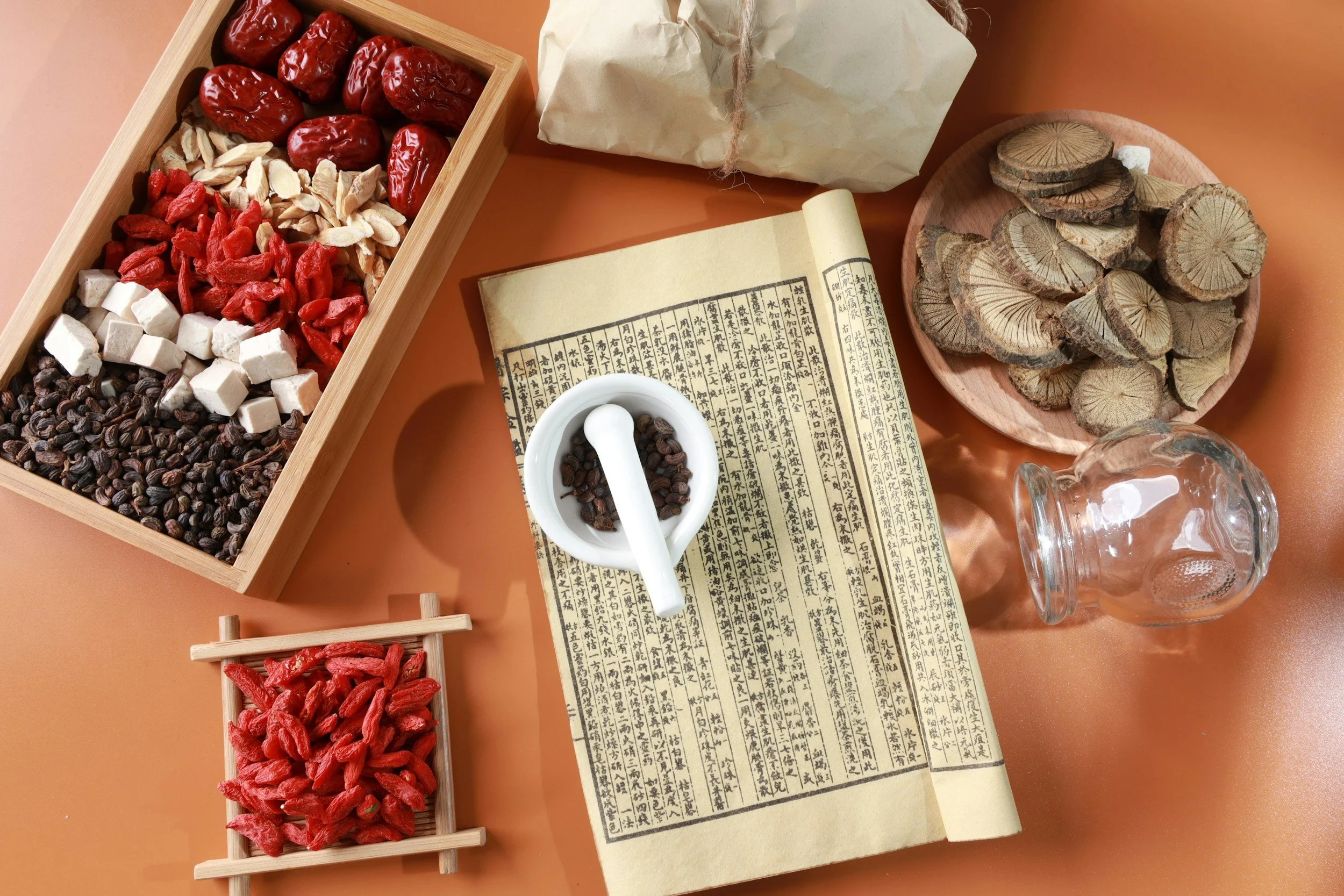
Natural alternatives to HRT include acupuncture, Chinese herbal medicine, certain botanical supplements, cognitive behavioral therapy, and targeted lifestyle change. None of them replace estrogen itself, but at Grace Family Acupuncture and Holistic Medicine in Overland Park, these approaches genuinely ease hot flashes, joint pain, sleep disruption, and mood changes for women who want options beyond, or alongside, hormone therapy. The five most researched natural alternatives are:
Acupuncture
Chinese herbal medicine
Black cohosh, red clover, and related botanical supplements
Cognitive behavioral therapy
Exercise, sleep regulation, and dietary change
What HRT does, so the comparison is fair
Hormone replacement therapy remains the most direct and effective treatment available for vasomotor symptoms, the hot flashes and night sweats that drive most women to a doctor's office in the first place. It works because it replaces the estrogen the ovaries have stopped producing, addressing the mechanism directly rather than managing the downstream effects. No natural alternative on this list does that, and any article that implies otherwise is not being honest with you.
That said, HRT is not automatically right for everyone. Some women have a personal or family history that makes their physician cautious, and some simply prefer to try other approaches first, or alongside a lower dose than they might otherwise need. Neither position is wrong, and a fair look at the alternatives starts by admitting what they cannot do before it explains what they can.
Why women look for alternatives in the first place
Most women who search for natural alternatives to HRT are not against hormone therapy on principle. A physician has usually already raised it as an option, and what they actually want is a clear, honest picture of what else exists and whether any of it works, without a supplement being pushed as a substitute for that conversation. Others are looking for alternatives because HRT alone did not fully resolve their symptoms, particularly joint pain, sleep disruption, or anxiety, which respond less predictably to estrogen than hot flashes do. This is the group for whom combining approaches, discussed later, tends to matter most.
The alternatives, honestly ranked by evidence
| Alternative | Primary symptom addressed | Evidence strength |
|---|---|---|
| Acupuncture | Sleep quality, joint and muscle discomfort, hot flash frequency | Moderate, consistent for sleep and pain, smaller effect than HRT for hot flashes |
| Chinese herbal medicine | Broad symptom patterns, individualized (sleep, mood, digestion, hot flashes) | Variable, formulas differ by patient, difficult to standardize in trials |
| Black cohosh, red clover, and common supplements | Hot flashes | Inconsistent, some trials show modest benefit, others show none |
| Cognitive behavioral therapy | Distress response to hot flashes, sleep disruption, anxiety | Consistent for coping and sleep, does not change hormone levels |
| Exercise, sleep, and diet | Overall symptom frequency and resilience | Supportive, measurable but modest on its own |
Acupuncture
Acupuncture has a moderate evidence base for hot flash frequency and severity, with several randomized trials showing meaningful reduction, though the effect size is smaller than HRT's. Where acupuncture performs more consistently is sleep quality, joint and muscle discomfort, and the general sense of being regulated rather than reactive, outcomes that matter enormously in daily life even when they do not show up as dramatically in a hot flash count. A 60-minute session at Grace Family Acupuncture and Holistic Medicine is built around this pattern, treating the nervous system and circulation together rather than chasing a single symptom.
Chinese herbal medicine
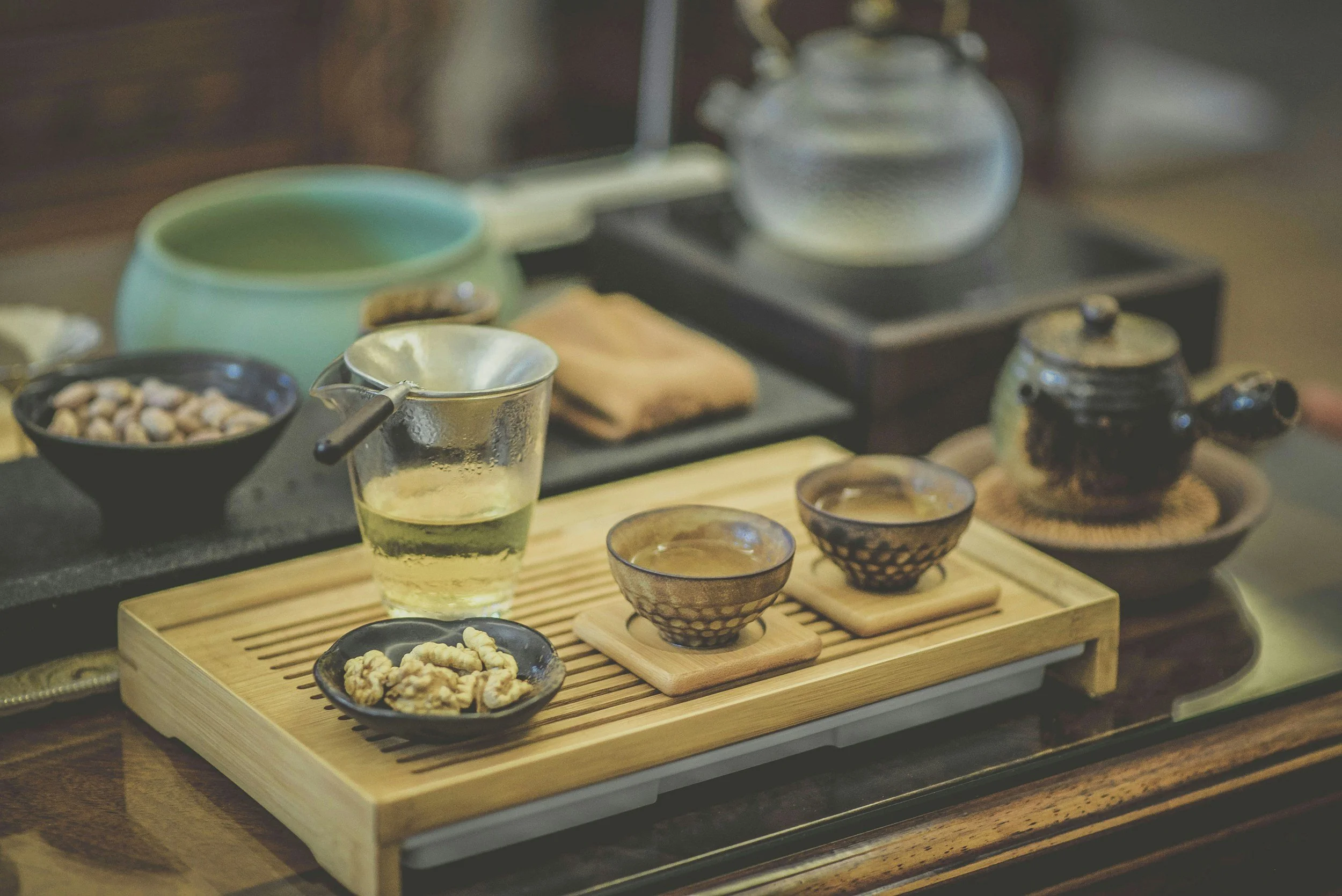
Chinese herbal formulas are prescribed individually, based on a woman's full symptom pattern rather than a single diagnosis of menopause. In Traditional Chinese Medicine, menopause is generally understood as a decline in Kidney Yin that leaves Yang relatively unanchored, producing what is described as Empty Heat, the pattern behind hot flashes, night sweats, and a wired-but-tired quality of sleep. This is why two women with the same hot flashes may receive different formulas depending on whether sleep, digestion, or mood is also disrupted, rather than a single fixed product treating menopause as one condition. The evidence for herbal formulas is more variable than for acupuncture, partly because formulas differ by practitioner and by patient, which makes large standardized trials difficult to run. This individualized diagnostic approach, practiced at Grace Family Acupuncture and Holistic Medicine, a fifth-generation Traditional Chinese Medicine practice, is where Chinese herbal medicine tends to outperform a generic supplement aisle.
Black cohosh, red clover, and the common supplements
These are the products most natural alternative articles lead with, and the honest answer is that the evidence is inconsistent. Some trials show a modest benefit for hot flashes, particularly with black cohosh, while others show no difference from a placebo, and red clover shows a similarly mixed picture. Dietary phytoestrogens, plant compounds found in soy, chickpeas, and flaxseed, work on the same estrogen-mimicking principle as red clover and show a similarly modest and inconsistent effect. Beyond these, maca and magnesium are commonly asked about for energy and sleep respectively, with limited but plausible supporting evidence, while evening primrose oil has been studied specifically for hot flashes and has generally not outperformed placebo. St. John's Wort has some evidence for mood-related menopause symptoms but carries a significant risk of interacting with antidepressants, blood thinners, and hormonal medications, which makes physician disclosure essential rather than optional. Black cohosh in particular has been the subject of case reports raising concern about liver effects, though a causal link has not been established. None of this means the supplements are useless, but it does mean they should be treated as a modest, uncertain option rather than a proven substitute for HRT, and a physician should always be told before starting any of them.
Cognitive behavioral therapy
Cognitive behavioral therapy has one of the more consistent evidence bases on this list, particularly for how a woman experiences and copes with hot flashes and for sleep disruption tied to menopause. It does not reduce estrogen-driven physiology, but it changes the distress response around symptoms, which for many women is a meaningful part of what makes menopause difficult day to day.
Exercise, sleep, and diet
Regular exercise, consistent sleep habits, and dietary adjustments such as reducing alcohol and caffeine will not eliminate hot flashes on their own, but they measurably reduce their frequency and improve overall resilience through perimenopause and beyond. They also support every other approach on this list. A woman doing acupuncture or herbal medicine without addressing sleep and activity is working against herself.
What none of these can replace
If a woman's dominant symptom is a hormone the body has stopped producing, no acupuncture protocol, herbal formula, or supplement replaces that hormone. This is not a marketing caveat. Reviews of the published trial evidence on complementary approaches to menopause consistently find the same pattern reflected throughout this article: real but modest symptom benefit, and no substitute for estrogen itself when estrogen is the actual gap. For a fuller look at where acupuncture fits, and where it does not, see what acupuncture can and cannot do for hormone balance.
Using acupuncture alongside HRT rather than instead of it
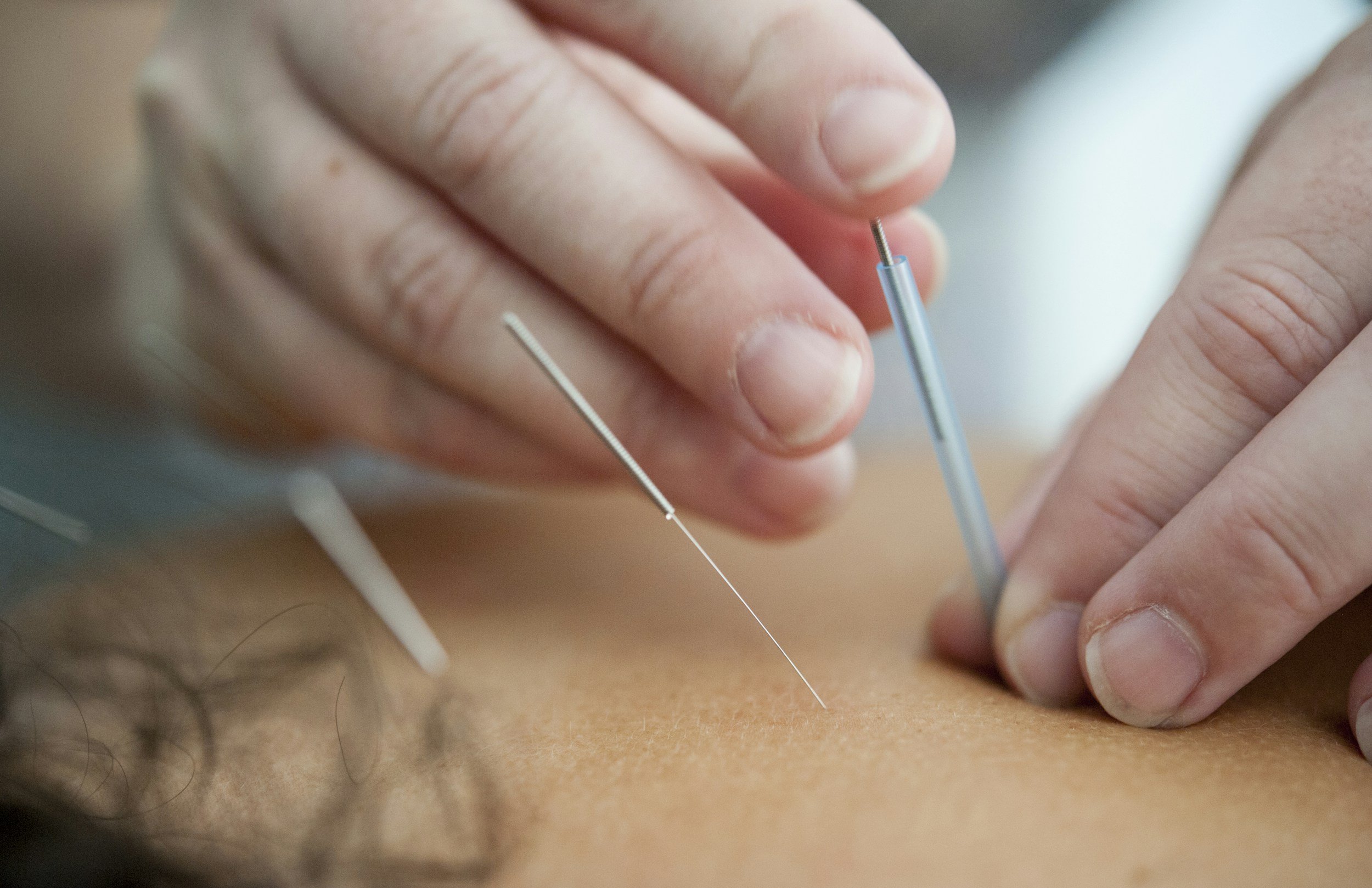
For many women, the more useful question is not acupuncture instead of HRT, but acupuncture alongside it. HRT addresses the hormonal driver of hot flashes, while acupuncture and Chinese herbal medicine are frequently used alongside it to manage what HRT does not fully resolve, particularly joint pain, sleep quality, and anxiety, or to support a woman through the adjustment period after starting or changing a hormone regimen. Combining acupuncture or Chinese herbal medicine with HRT does not require choosing a side. If this describes where you are, book a women's health consultation as the right place to start, so your full symptom pattern, not just hot flashes, shapes the plan. Chinese herbal medicine can also be arranged as its own consultation, separate from acupuncture, for women whose symptom pattern is broader than hot flashes alone.
How to decide, and what to ask your physician
There is no universal right answer between HRT, a natural alternative, or a combination of both. The decision depends on symptom severity, personal and family health history, and how much a woman prioritizes speed of relief against a preference to try other approaches first. Questions worth bringing to a physician include whether HRT is medically appropriate given that history, what the realistic timeline for relief looks like with each option, and whether combining hormone therapy with acupuncture, herbal medicine, or supplements introduces any interactions worth monitoring. A physician who treats menopause regularly should welcome all three questions.
FAQ
-
The main natural alternatives are acupuncture, Chinese herbal medicine, certain botanical supplements such as black cohosh and red clover, cognitive behavioral therapy, and lifestyle changes including exercise, sleep regulation, and dietary adjustment. Evidence varies by approach, and none replace estrogen directly.
-
There is no single supplement or herb that reliably replaces HRT. Black cohosh and red clover show mixed results in trials, and Chinese herbal formulas are prescribed individually rather than taken as a fixed product. Acupuncture and cognitive behavioral therapy are non-supplement options with more consistent evidence for specific symptoms.
-
Yes. Acupuncture, Chinese herbal medicine, cognitive behavioral therapy, and lifestyle change all have some evidence behind them for managing menopause symptoms, though none matches HRT's direct effect on hot flashes driven by estrogen loss.
-
There is no single best option because symptom patterns differ. Cognitive behavioral therapy and acupuncture currently have the more consistent evidence for hot flashes and sleep, while Chinese herbal medicine is often chosen when the picture is broader than hot flashes alone.
-
Acupuncture, cognitive behavioral therapy, and to a lesser and more inconsistent degree black cohosh, are the options with the most research behind them specifically for hot flash frequency and severity.
-
Joint pain during perimenopause and menopause responds less predictably to HRT than hot flashes do. Acupuncture and Chinese herbal medicine, which address circulation and inflammation patterns directly, are frequently used for this symptom specifically, including alongside HRT.
-
Cognitive behavioral therapy has strong evidence for anxiety tied to hormonal change, and acupuncture is commonly used alongside it to support the nervous system and sleep, which both influence anxiety levels through perimenopause.
-
This question deserves a direct answer and a caution. For women with a history of breast cancer, particularly estrogen-receptor-positive disease, hormone-containing options are typically avoided, and phytoestrogen supplements such as black cohosh and red clover should only be considered with oncology input, since their estrogenic activity is not fully settled in this population. Non-hormonal options including cognitive behavioral therapy are commonly used in this group. This is a decision that belongs with your oncology team first, and Grace Family Acupuncture and Holistic Medicine is not a substitute for that conversation, though acupuncture may have a supportive role once your oncology team has weighed in.
-
Cognitive behavioral therapy for insomnia and acupuncture both have reasonable evidence for menopause-related sleep disruption. Addressing night sweats, whichever approach is used to manage them, also tends to improve sleep as a secondary effect.
Next steps in Overland Park
Grace Family Acupuncture and Holistic Medicine in Overland Park works with women through every stage of this decision, whether that means acupuncture and Chinese herbal medicine instead of HRT, alongside it, or simply a second opinion on where the evidence actually stands.
Book a women's health consultation to talk through your specific symptom pattern.
Related reading: explore Chinese herbal medicine for menopause if an individualized herbal formula is the piece you are most curious about. This article is part of our full guide to perimenopause and menopause acupuncture.
Reviewed by Dr. Yang Gong, DTCM, L.Ac., Founder and Senior Clinician of Grace Family Acupuncture and Holistic Medicine.